Pustelny Group — Quantum Sensing, Fundamental Physics, Spin Systems

PUSTELNY GROUP

Quantum Sensing, Fundamental Physics, Spin Systems

PUSTELNY GROUP

Quantum Sensing, Fundamental Physics, Spin Systems

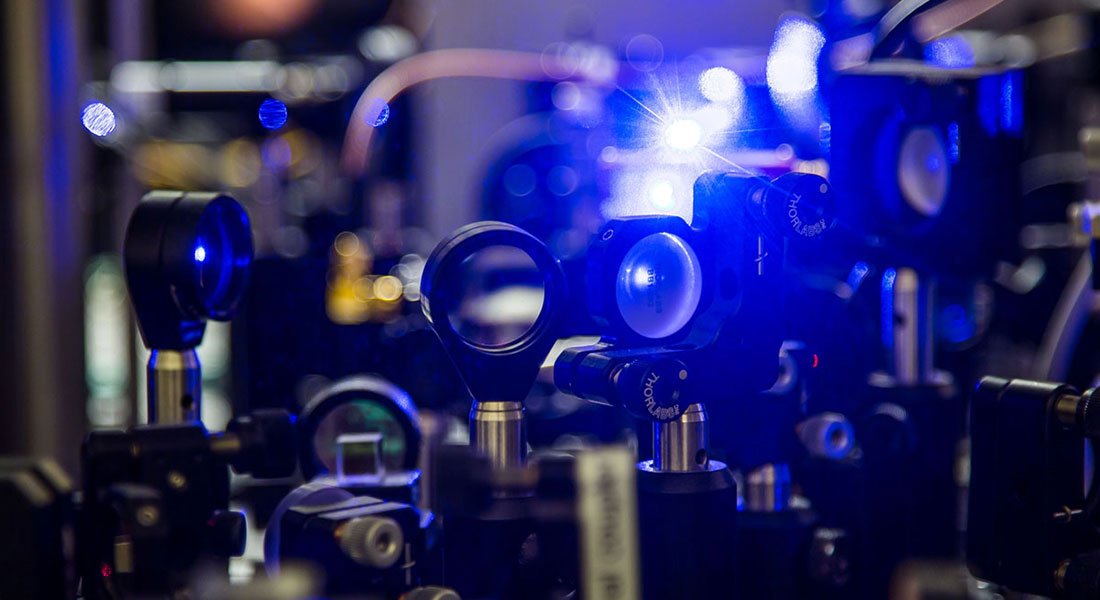
Our laboratory investigates coherent light–atom interactions in alkali-metal vapors and spin defects in diamond to pioneer next-generation room-temperature quantum sensors and precision measurement techniques. We bridge foundational tests of physics—including searches for ultralight bosonic dark matter—with translational deep-tech sensing.

Led by Prof. Szymon Pustelny at the Marian Smoluchowski Institute of Physics, Jagiellonian University in Kraków and the Department of Physics, Harvard University, our group combines experimental atomic and spin physics with custom optical and low-noise electronic instrumentation.

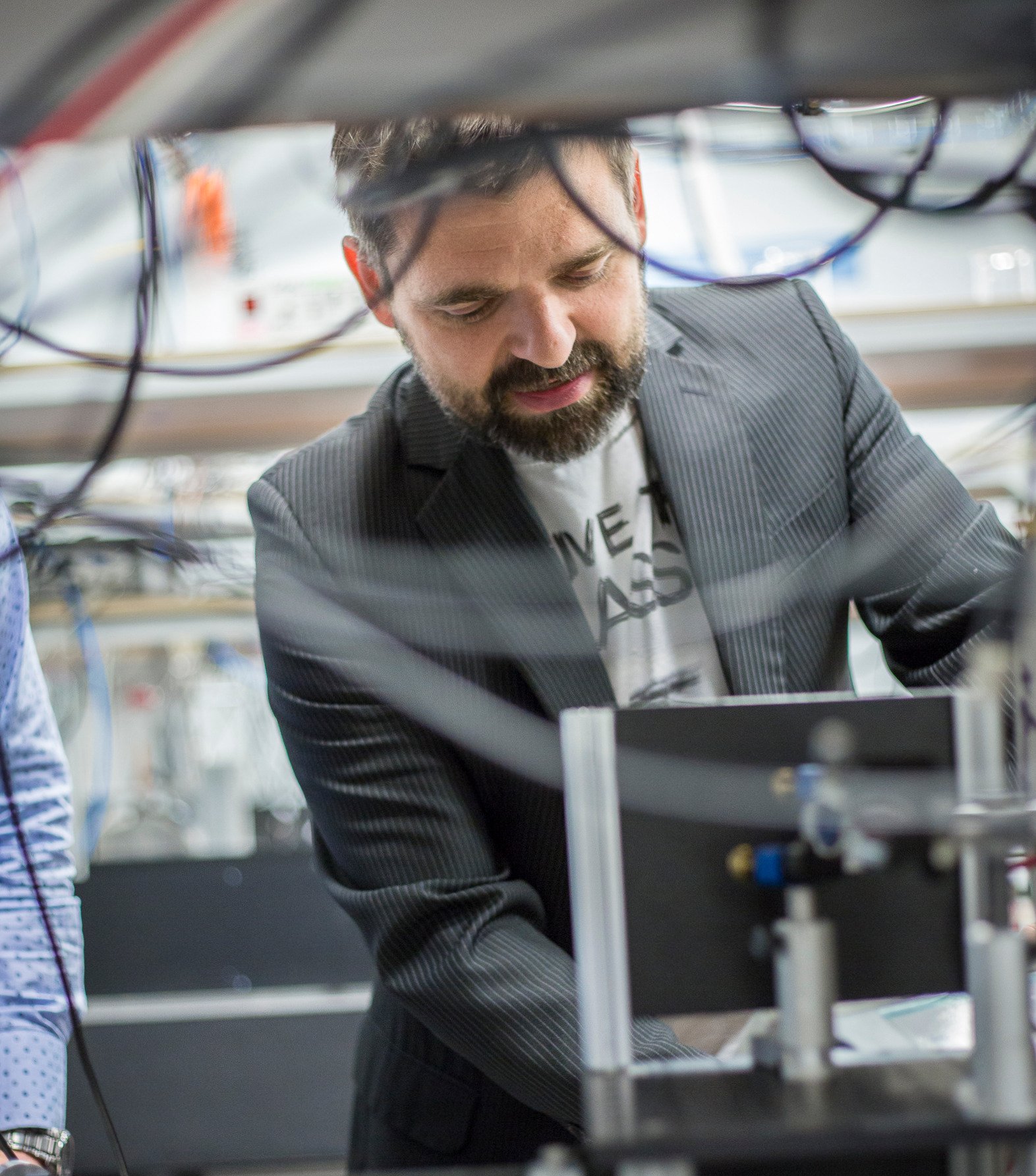
Szymon Pustelny by the experiment
Quantum Sensing and Metrology Research

RESEARCH HIGHLIGHTS

Our research program advances atomic physics, quantum optics, and precision measurement across five core directions:

  • ▪Optical Magnetometry: Sub-femtotesla atomic magnetometers for non-invasive biomagnetic recording (MEG/MCG) and precision physics.
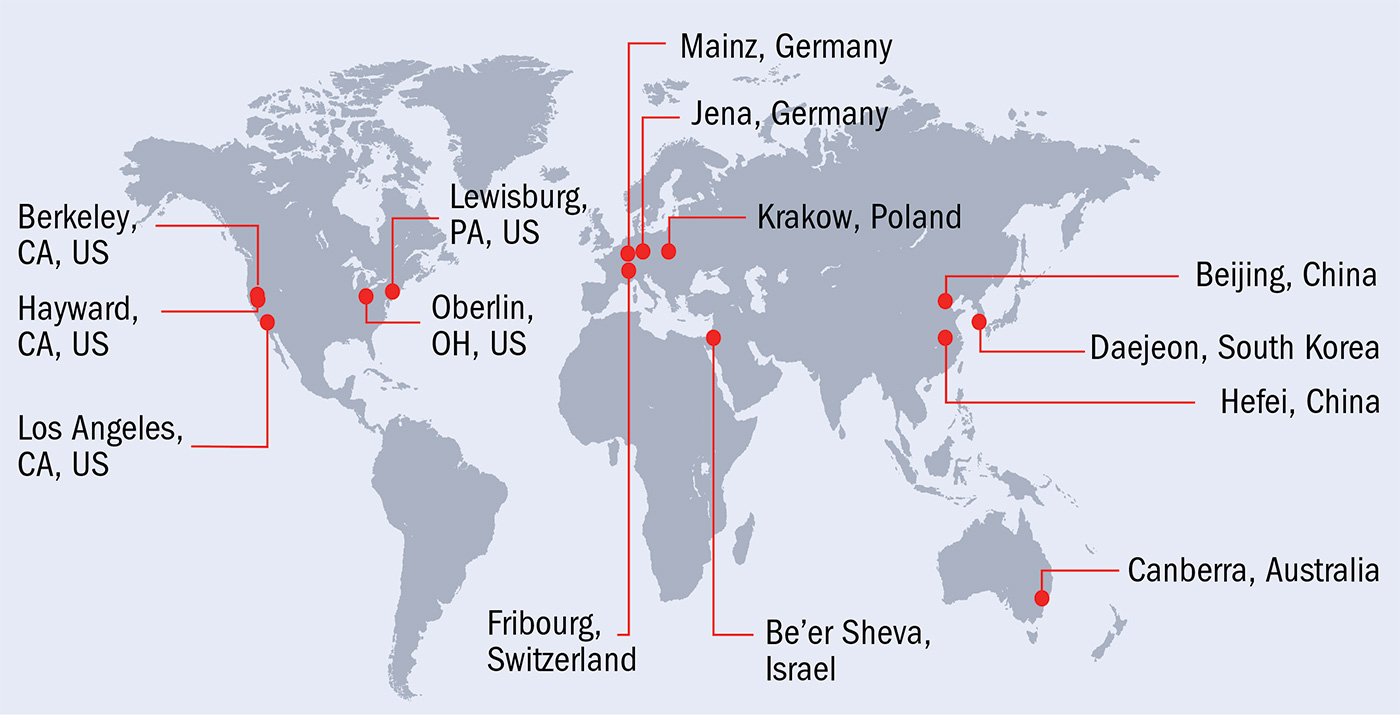
  • ▪GNOME Dark Matter Search: Synchronized worldwide network of optical magnetometers probing transient exotic spin fields and bosonic dark matter.
  • ▪ZULF NMR Spectroscopy: Chemical analysis and structural biology without superconducting magnets using parahydrogen hyperpolarization (SABRE).
  • ▪Quantum-State Engineering: Coherent optical control and non-destructive polarimetric tomography of collective multilevel spin states (qudits).
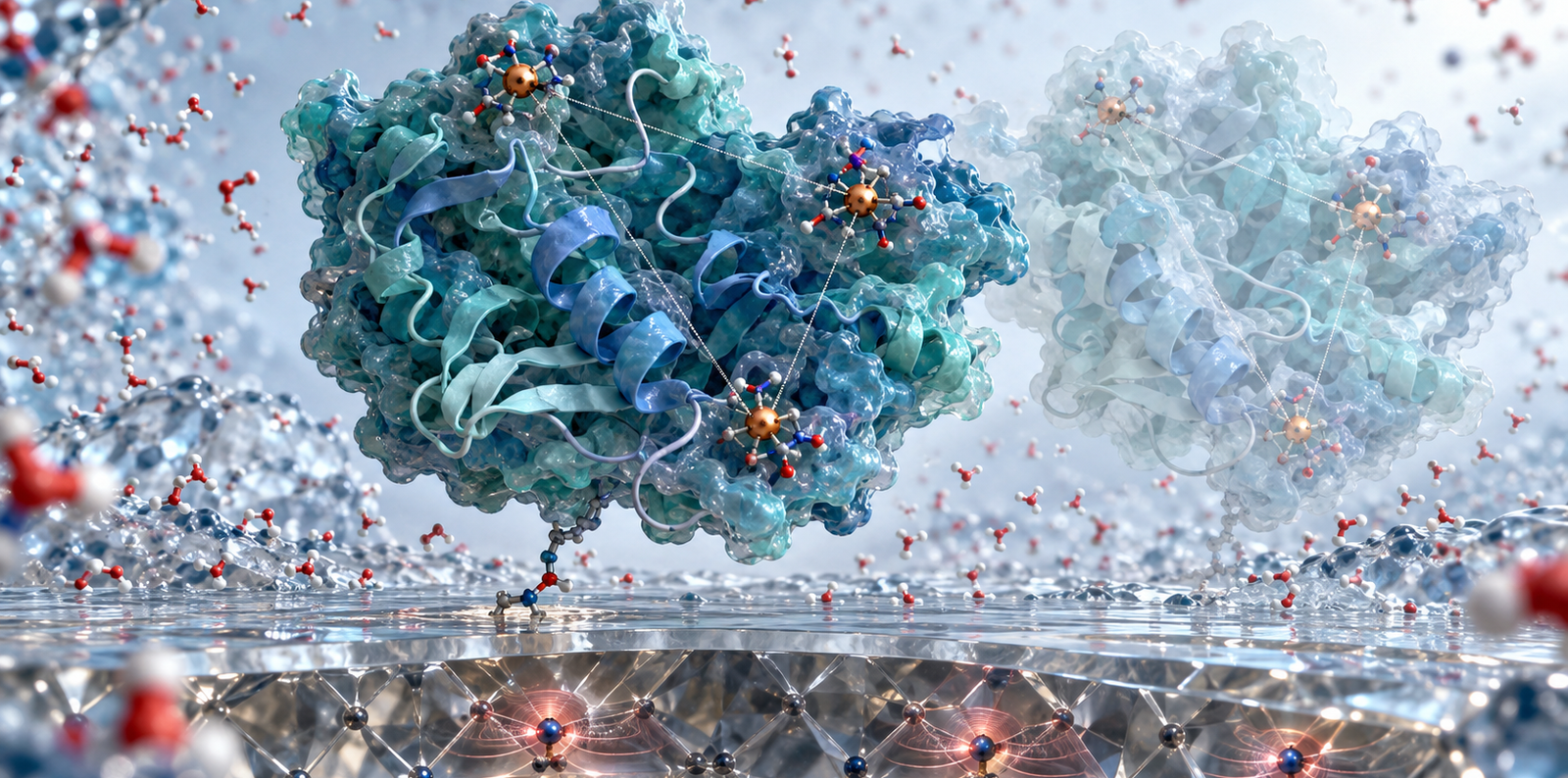
  • ▪Nanoscale Diamond MRI: Nitrogen-vacancy centers in diamond for high-resolution nanoscale magnetic resonance imaging under the €4M EIC Pathfinder consortium (MRI-NOVA).

SELECTED PUBLICATIONS

Selected peer-reviewed articles from our group and international collaborations in Nature, Nature Communications, Physical Review Letters, and Physical Review X:

  • [Nature 2026] Y. Wang, Y. Huang, X. Kang, D. Chang, C. Xu, Y. Chen, S. Pustelny, W. Zheng, M. Jiang, X. Peng, and J. Du, Constraints on axion dark matter by distributed intercity quantum sensors, Nature 650, 314–319 (2026) — DOI ↗
  • [Physical Review X 2025] S. S. Khamis et al., Multimessenger Search for Exotic Field Emission with a Global Magnetometer Network, Physical Review X 15, 031048 (2025) — DOI ↗ | arXiv ↗
  • [Nature Communications 2025] D. Gavilan-Martin, G. Łukasiewicz, M. Padniuk, E. Klinger, M. Smolis, N. L. Figueroa, D. F. Jackson Kimball, A. O. Sushkov, S. Pustelny, D. Budker, and A. Wickenbrock, Searching for dark matter with a spin-based interferometer, Nature Communications 16, 4953 (2025) — DOI ↗ | arXiv ↗
  • [Progress in Nuclear Magnetic Resonance Spectroscopy 2025] D. A. Barskiy, J. W. Blanchard, D. Budker, J. Eills, S. Pustelny, K. F. Sheberstov, M. C. D. Tayler, and A. H. Trabesinger, Zero- to ultralow-field nuclear magnetic resonance, Progress in Nuclear Magnetic Resonance Spectroscopy 148, 101558 (2025) — DOI ↗ | arXiv ↗
  • [Quantum 2024] M. Piotrak, M. Kopciuch, A. D. Fard, M. Smolis, S. Pustelny, K. Korzekwa, Perfect quantum protractor, Quantum 8, 1459 (2024) — DOI ↗ | arXiv ↗
  • [Communications Chemistry 2023] S. Alcicek, P. Put, A. Kubrak, D. Barskiy, S. Gloeggler, J. Dybas, and S. Pustelny, Zero- to low-field relaxometry of chemical and biological fluids, Communications Chemistry 6, 165 (2023) — DOI ↗ | arXiv ↗
  • [Nature Astronomy 2021] C. Dailey, C. Bradley, D. F. Jackson Kimball, I. A. Sulai, S. Pustelny, A. Wickenbrock, and A. Derevianko, Quantum sensor networks as exotic field telescopes for multi-messenger astronomy, Nature Astronomy 5, 150-158 (2021) — DOI ↗ | arXiv ↗
  • [Nature Physics 2021] S. Afach et al., Search for topological defect dark matter using the global network of optical magnetometers for exotic physics searches (GNOME), Nature Physics 17, 1396-1401 (2021) — DOI ↗ | arXiv ↗
Photo of our group

TEAM, COLLABORATIONS & ALUMNI

Our group brings together postdoctoral researchers, PhD students, and master’s candidates at the Jagiellonian University Campus in Kraków, collaborating with partner groups worldwide (JGU Mainz, UC Berkeley, Harvard University, Northwestern University, Ulm University, MPQ Garching, EPFL Lausanne, University of York, and ICFO Barcelona).

Alumni: Former laboratory members have continued their careers in academia and deep-tech industry, including positions at Harvard University, ICFO Barcelona, Max Planck Institute for Gravitational Physics, Goethe University Frankfurt, Google, Shell, and Sabre Corporation.